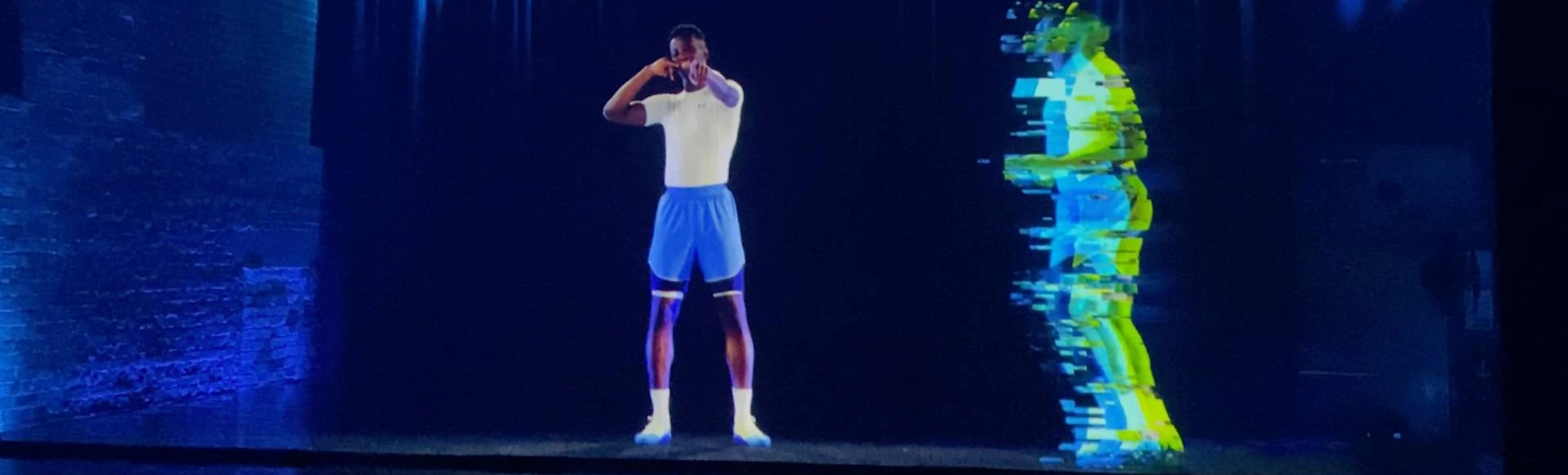
3D Hologram Fan vs Hologram Projector: Which Is Best?
Here is something hologram technology suppliers would rather you didn't figure out until after you've signed the contract: in most cases, your venue has already decided which technology to use. You just haven't run the test yet.
Every few months there's a post-event debrief somewhere where the "hologram didn't really pop." The culprit is almost never the technology. It's almost always the environment it was dropped into too much ambient light, the wrong ceiling height, a floor plan that gave audiences the wrong sightline. The equipment worked exactly as advertised. The brief just didn't account for physics.
So before we compare technologies and we will, in full let's establish the one test that will immediately clarify your options. Everything else flows from there.
The Test You Should Run Before Booking Anything
Walk into your event venue at the time your activation will be running. Don't touch the lights. Don't squint. Just stand where your audience will stand, let your eyes adjust for ten seconds, and then ask yourself: can you comfortably read a poster across the room without moving toward it?
If yes the room is too bright for most hologram technologies to perform at their best.
If the room has you naturally drawn toward directed spotlights or accent lighting to see detail — you're in the zone where holograms actually work.
This isn't complicated. But it is the most consistently skipped step in event planning when holographic displays are on the brief. Every hologram technology fans, projection scrims, Pepper's Ghost, all of it depends on contrast. A floating image only "floats" because it's bright against a dark field. The moment ambient light fills that background, the illusion collapses.
The holographic display market crossed USD 3.4 billion in 2024 and is growing at over 25% annually, according to GM Insights driven significantly by retail and experiential marketing adoption. Demand is real. So is the disappointment when the wrong technology meets the wrong room.
Now, with that lens in place, let's look at each option honestly.
3D Hologram Fan: High Impact, Specific Conditions
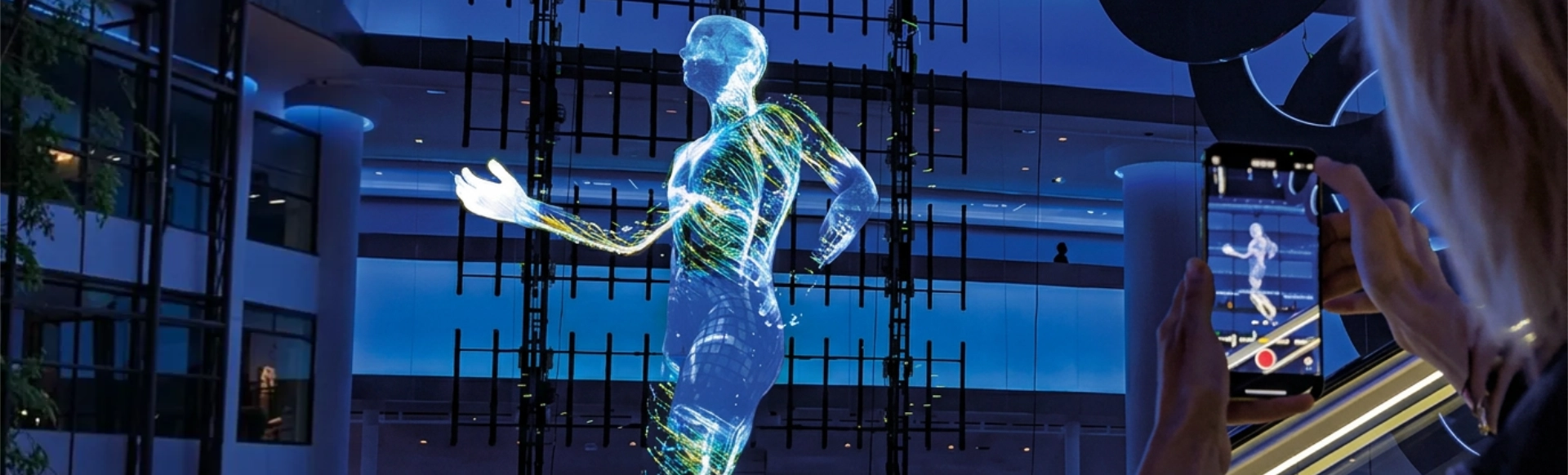
A 3D hologram fan is, at its core, a spinning LED strip that flashes precise sequences thousands of times per second. Your visual system which processes motion at around 60 frames per second can't track the individual LEDs in motion, so it fills in the gaps and reads the result as a complete, glowing, circular image appearing to hover in mid-air. This effect is called persistence of vision, and it has been understood by scientists since the early 1800s. The engineering to make it commercially viable for events is considerably more recent.
The market leader for professional-grade units is Hypervsn, a Latvian company whose Solo L unit hits 3,000 nits of brightness enough to hold its own in moderately dim ambient conditions. The cheaper Chinese-manufactured units that have flooded the market operate at substantially lower brightness, which is where a meaningful proportion of post-event disappointment originates. The spec that matters most brightness is also the one least likely to be front-and-centre in a rental quotation.
The 3D hologram LED fan market is estimated at $500 million in 2025 and is projected to reach $5 billion by 2033, with retail and experiential marketing accounting for roughly 60% of deployments (Archive Market Research, 2025).
Approximate costs:
-
Generic/budget units: $200–$800 per unit (purchase)
-
Professional Hypervsn Solo M or L: $4,000–$6,000 per unit (purchase); UAE rental rates typically range from AED 1,500–4,500 per unit per day
-
Synchronised multi-unit walls (9–16 fans in a grid): purchase cost from $25,000+; rental quoted on project basis
Where they genuinely work: Product pop-ups. Exhibition stands. Retail activations with a controlled dark zone. Hotel lobby installations. Dark activation corridors at large events. When 9 or 16 synchronised fans are arranged in a wall, the effect is genuinely arresting it stops foot traffic in ways that flat screens simply don't.
What nobody tells you upfront: Fan content must be purpose-built for circular format with a transparent or black background. If your creative team plans to repurpose existing video assets, that is a full redesign. Budget for content creation separately it often costs as much as the hardware rental itself.
Projector-Based Holograms: Scale That Fans Cannot Match
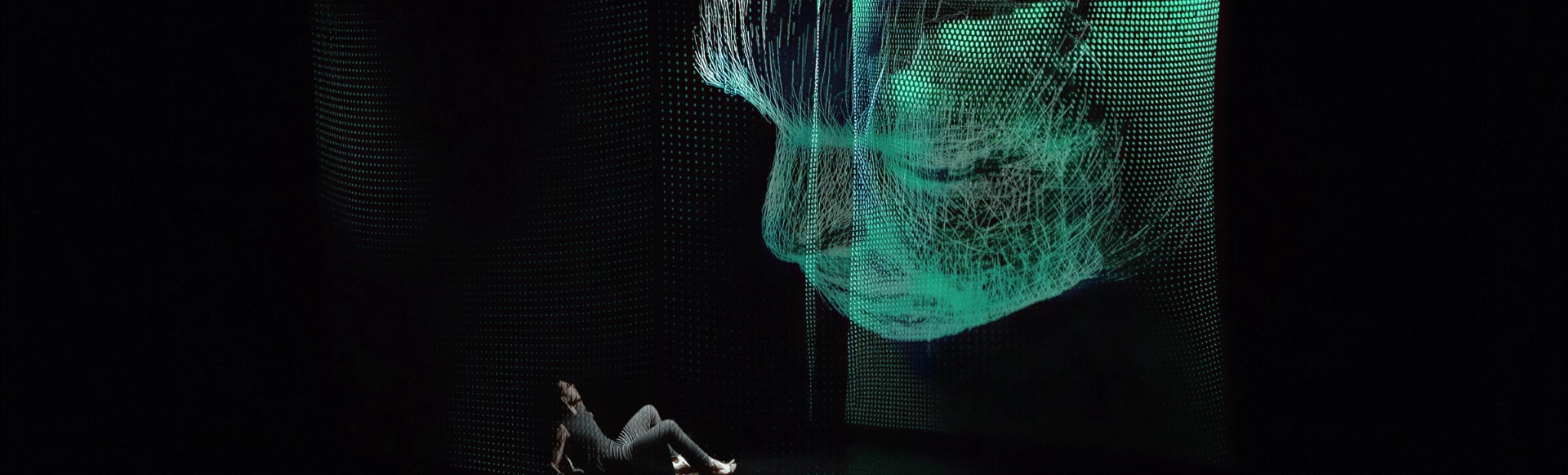
"Projector hologram" is a broad term, but in the events world it almost always means one of two setups: rear projection onto a holographic scrim (a purpose-made semi-transparent fabric that catches projected light while remaining partially see-through to the audience), or front projection onto a transparent gauze screen. Neither involves true light-field holography but a well-executed transparent screen projection at four to five metres tall is more convincing, at scale, than almost anything else you can put on a stage.
The physics here is projection, not persistence of vision. A high-brightness projector throws content onto material that the audience simultaneously sees through and sees on. The subject appears to float in the physical space in front of the background.
Approximate costs:
-
Holographic gauze or scrim material: $300–$600 per square metre
-
Professional projector (15,000+ lumens): $5,000–$25,000 (purchase)
-
Full mid-size setup (3m × 2m display with projector, rigging, and content): AED 120,000–150,000
Where they genuinely work: Large-format product reveals. Conference keynotes with a dedicated stage. Any environment where you need a life-size or larger-than-life display. The resolution and realism that a properly produced scrim projection delivers at human scale is not achievable with fan arrays at any price point.
What nobody tells you upfront: Projector setups require throw distance the physical gap between the projector and the screen which eats into your floor plan in ways that smaller venues cannot absorb. Like fans, projector holograms still need controlled ambient light. High-ceiling ballrooms with full overhead lighting are the enemy here, not the friend. And content must be purpose-shot against green or black screen.
Pepper's Ghost: The 162-Year-Old Trick That Still Wins on Stage
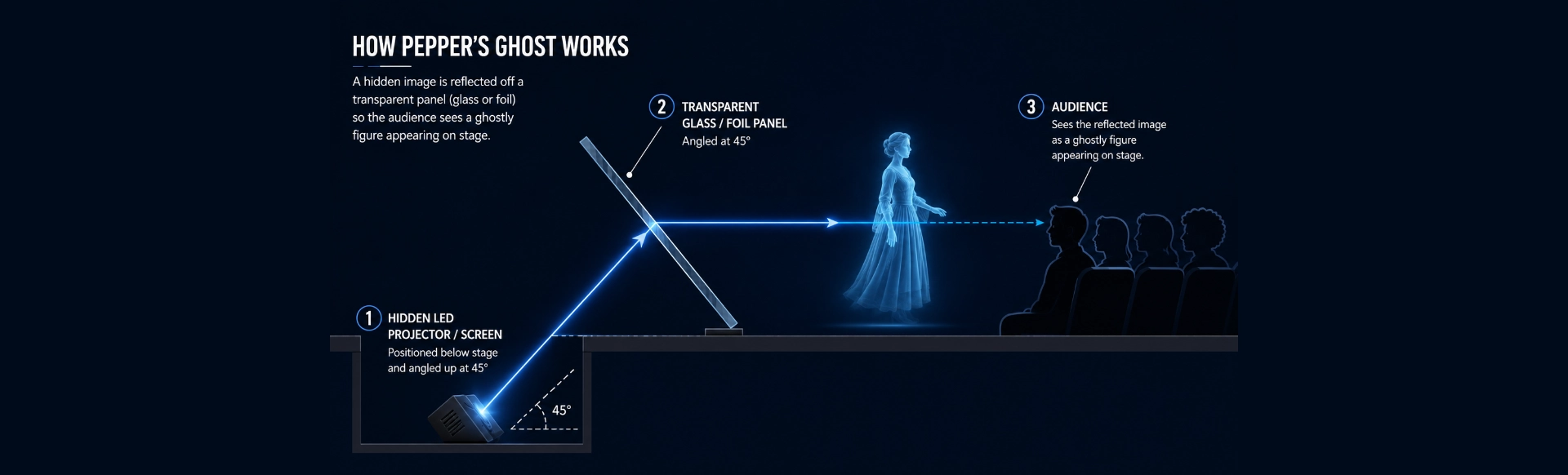
In 1862, a British scientist named John Henry Pepper demonstrated an illusion at the Royal Polytechnic Institution in London: a hidden figure, lit on a concealed stage at an angle, reflected off a large pane of angled glass, appeared to float on the main stage in front of a live audience. The room was astonished. The principle has been in continuous theatrical use ever since.
At the 2012 Coachella festival, the "Tupac resurrection" the moment that made the general public aware of "hologram" technology was a Pepper's Ghost variant using a Musion Eyeliner transparent foil screen with pre-rendered CGI footage. Not a recording of Tupac. Not a hologram fan. A refined version of a 150-year-old optical trick. ABBA's Voyage concert residency in London, which has played to sold-out audiences since 2022, uses a similarly refined version combined with high-end motion capture and it remains the most convincing large-scale holographic illusion ever created for live entertainment.
The reason the world's most technically ambitious productions keep returning to Pepper's Ghost is not nostalgia. It is that the technique, properly executed in a controlled environment, produces a sense of physical presence that other technologies cannot replicate.
Approximate costs:
-
Small-scale stage inset: $15,000–$50,000
-
Large-scale arena or concert-grade: $150,000–$600,000+
What nobody tells you upfront: Pepper's Ghost demands significant physical depth behind and below the visible stage. It has a strict viewing-angle constraint walk too far to either side of the audience zone and the illusion breaks. It is not a setup you improvise on-site. It requires pre-production, venue coordination, and full technical rehearsal. Of the three technologies in this article, it is also the most sensitive to ambient light the foil or glass surface becomes visible the moment stray stage lighting hits it.
Which One Should You Actually Choose?
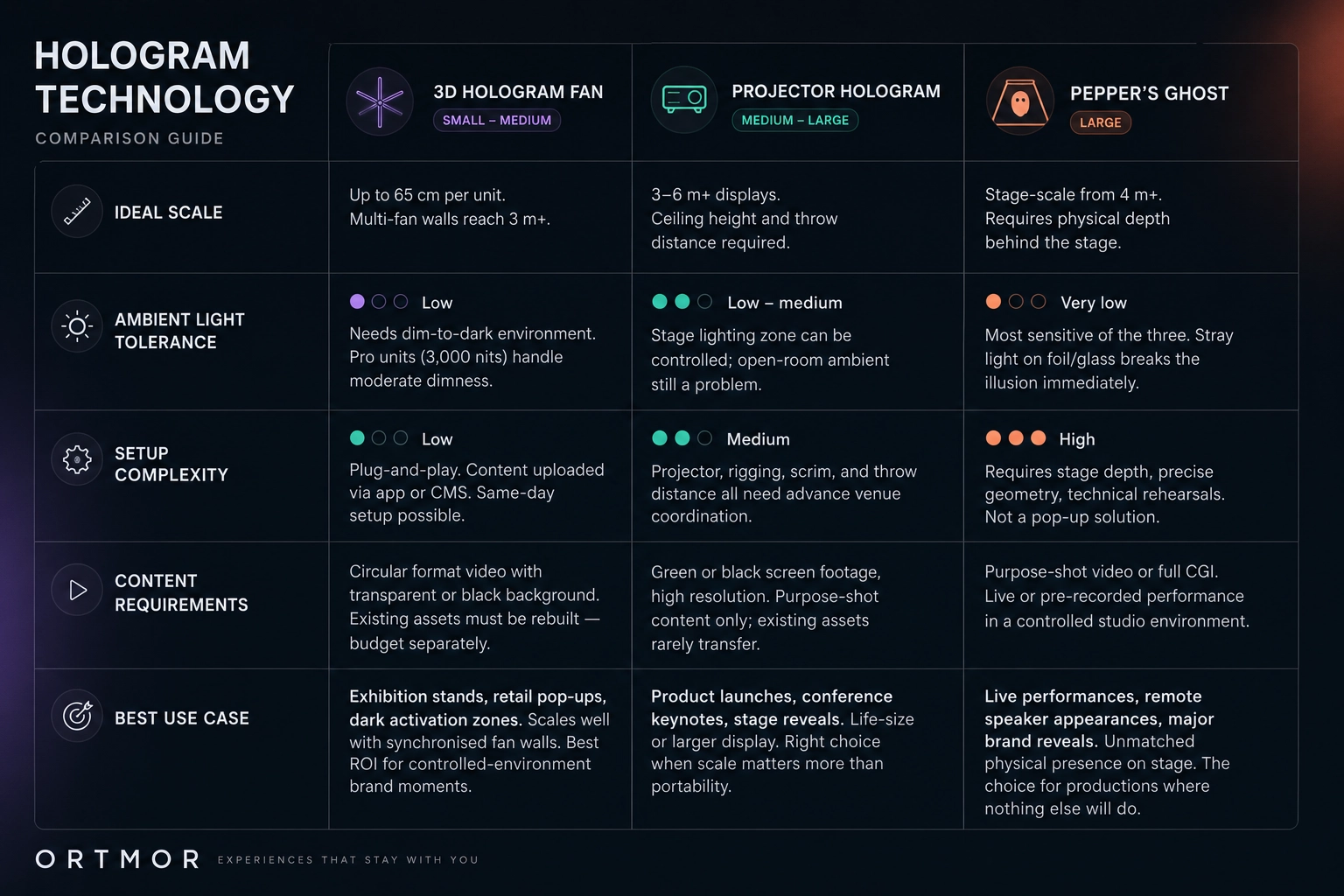
Run the ambient light test first. If your venue fails it, the conversation changes — no holographic technology will perform at its best, and a different activation format may serve your brief better.
If you pass the test:
Choose a 3D hologram fan for exhibitions, product pop-ups, retail activations, or dark zones within a larger event. Logistics-friendly, delivers real impact in the right conditions, and scales up well with synchronised fan walls. Go professional-grade budget units tend to disappoint when the moment matters.
Choose a projector hologram for large-format stage reveals, product launches, and conference keynotes where you have the ceiling height and throw distance to work with. The realism at scale justifies the investment.
Choose Pepper's Ghost when you need a person to appear on stage convincingly — a remotely appearing executive, a theatrical brand moment, or a centrepiece performance. Nothing else matches the physical presence it creates when properly executed.
What This Looks Like When Done Right
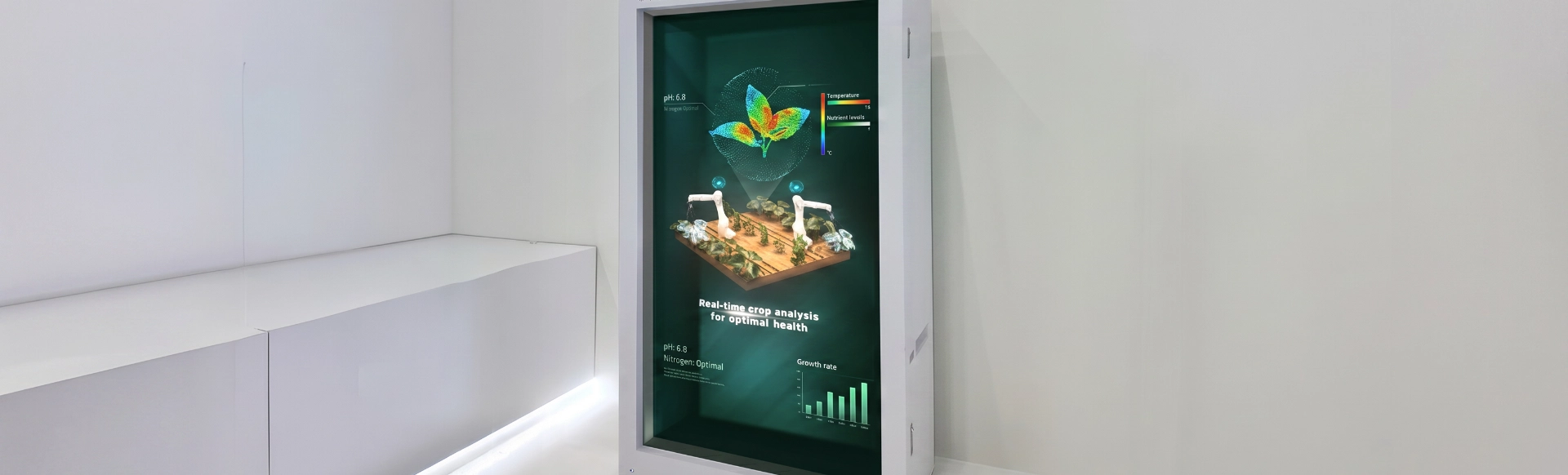
At Ortmor, the brief almost never starts with "we want a hologram fan." It starts with what the client wants an audience to feel, and then we work backwards to the right technology for the space, the timeline, and the budget.
Sometimes that is a synchronised fan array in a dedicated activation zone. Sometimes it is a transparent scrim projection built into a stage design. Sometimes the honest answer is that projection mapping would serve the brief better than any hologram format at all. That kind of honesty is more valuable to clients than selling the most expensive option on the rental sheet.
If you are working through options for an upcoming event or brand activation, our hologram team in the UAE is a good place to start. You can also explore our experiential marketing services across UAE and GCC, or browse our case studies to see what these technologies look like in real projects.
Frequently Asked Questions
Q: How much does it cost to rent a 3D hologram fan in Dubai?
A: Professional-grade hologram fan rental in Dubai typically ranges from AED 1,500 to AED 4,500 per unit per day, depending on the unit size, resolution, and supplier. For synchronised multi-unit walls — where the visual impact significantly increases — pricing is quoted on a project basis. Worth noting: content creation for hologram fans often costs as much as the hardware rental itself, since existing video assets need to be reformatted for circular display with a transparent or black background.
Q: Can a 3D hologram fan work at an outdoor event?
A: Not effectively. LED hologram fans depend on low ambient light for the persistence-of-vision effect to register visibly. In daylight or bright outdoor conditions, the image becomes almost completely washed out. Outdoor holographic displays that do perform require either a fully enclosed dark structure, or significantly higher-brightness projection systems purpose-built to compete with ambient light.
Q: Is Pepper's Ghost the same thing as the Tupac "hologram"?
A: Yes — though "hologram" was always a misnomer. The Coachella 2012 Tupac appearance used a Musion Eyeliner foil screen (a commercial Pepper's Ghost variant) with pre-rendered CGI footage, not a recording of the artist. ABBA Voyage uses a similar foundational principle with far more sophisticated motion capture. Neither is technically a hologram in the scientific sense — but both are considerably more convincing than most things that get called one.
Q: What is the minimum room darkness needed for a hologram fan to perform well?
A: A useful rule of thumb: if you can comfortably read a poster across the room without walking toward it, the ambient light is probably too high for a standard LED hologram fan to look its best. The Hypervsn Solo L — one of the brighter professional-grade units available — is rated at 3,000 nits and handles moderately dim environments well. Budget units operate at substantially lower brightness and require near-full darkness to read clearly.
Q: How far in advance do I need to plan a holographic display for an event?
A: For a hologram fan setup with straightforward content, 3–4 weeks is workable. For a projector scrim setup or Pepper's Ghost at any meaningful scale, 8–16 weeks is more realistic — content needs to be purpose-produced (typically shot against green or black screen), the physical setup requires advance venue coordination, and technical rehearsals are essential. The events where holographic technology disappoints most are almost always the ones where the brief was confirmed too late.
Sources & References
-
Holographic Display Market Size, Growth Outlook 2025–2034 — GM Insights (2025)
-
3D Hologram LED Fan Market Analysis 2025–2033 — Archive Market Research (2025)
-
HYPERVSN Products & Specifications — Hypervsn.com
-
Pepper's Ghost: A Pro Planner's Guide — DCE Productions
-
Pepper's Ghost: The Illusion Technique That Transformed Entertainment — AVIXA (2024)