The Impact of Interactive Installations on Visitor Dwell Time and Brand Recall
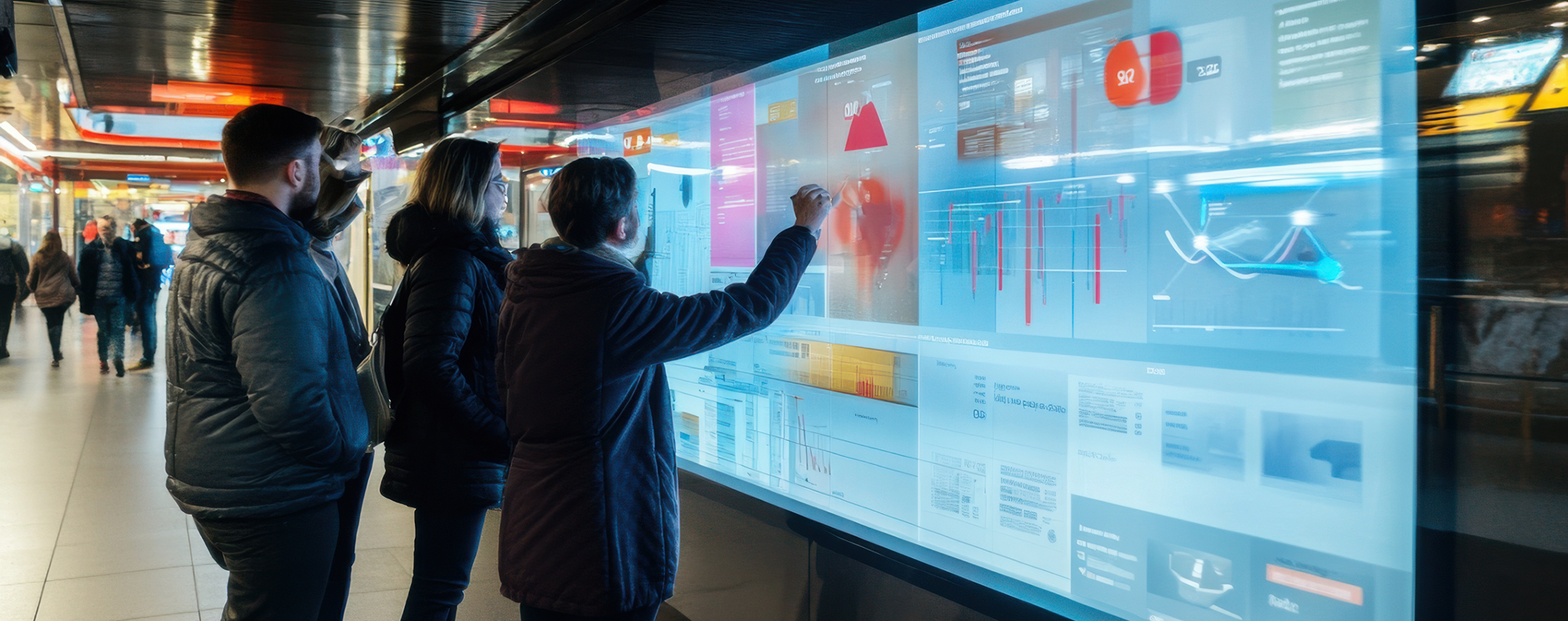
Walk into any modern museum, brand pavilion, or experience center today, and one thing becomes immediately clear: people don’t want to just look anymore. They want to touch, explore, respond, and feel involved. This shift in visitor behavior is exactly why interactive installations have moved from being “nice-to-have” features to central pillars of experience design. They don’t just make spaces look impressive; they fundamentally change how long people stay and how well they remember the brand behind the experience.
What it really comes down to is this: do people actually stop and spend time with what you’ve built, and do they remember it after they leave? When visitors linger, they notice more, interact more, and the experience has a better chance of sticking in their head along with the brand behind it.
Why attention is the real currency today
Attention is harder to earn than ever, and that’s exactly why it matters so much. Most visitors walk into a space already “pre-distracted,” phone in hand, mind half on notifications, and expectations trained by the speed of digital content. In that state, passive displays don’t stand a chance. A static panel, a looping video, or a wall of text might look polished, but it rarely stops someone in their tracks unless there’s a clear reason to care.
That’s where interactive installations change the game. They break the usual “walk, glance, move on” rhythm by doing something simple but powerful: they respond. The moment a visitor realizes the environment reacts to their touch, movement, choices, or input, the experience becomes personal. And when something feels personal, people naturally slow down. They test it, they try again, and they explore. Curiosity takes over, and the space shifts from something to view into something to engage with.
This is how visitor dwell time grows in a way that feels effortless. Not because people are being held in place, but because the experience gives them a reason to stay there’s a payoff, a reveal, a “what happens if I…” moment that keeps pulling them forward. And once you’ve earned that kind of attention, everything else becomes easier: deeper engagement, stronger memory, and a much higher chance that they’ll talk about it after they leave.
How interactive installations increase visitor dwell time
People stay longer when something gives them a reason to stick around. Interactive installations do that by making the visitor part of the experience, not just someone watching it.
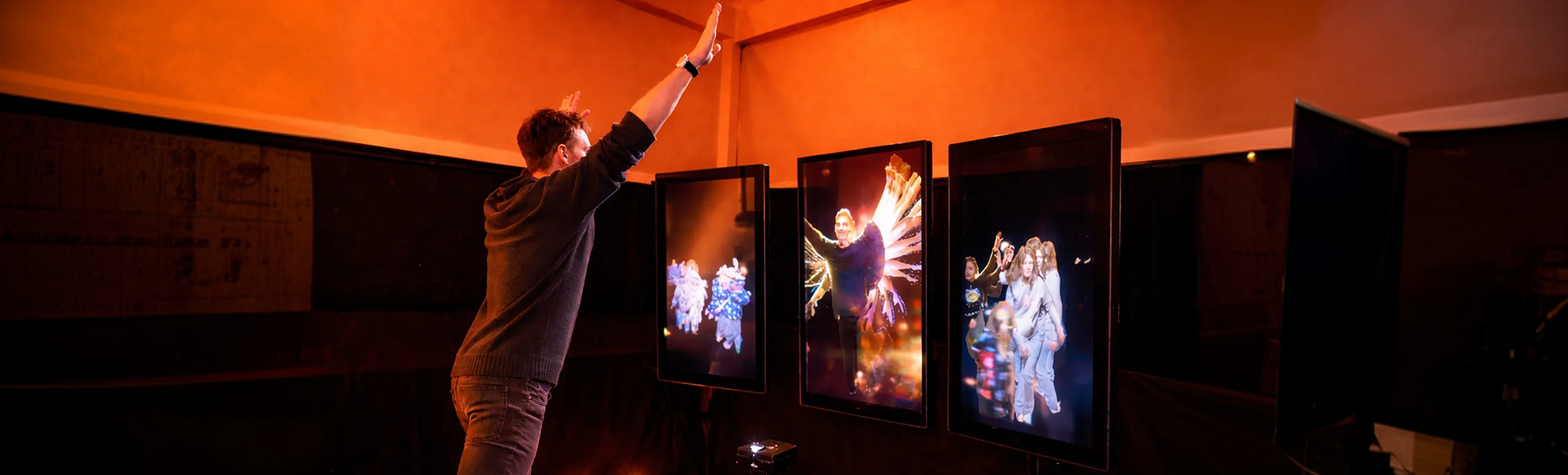
When a person touches a screen, steps into a zone, moves their hand, or makes a choice and the installation reacts right away, they naturally try again. They want to see what else it can do. That back-and-forth keeps them there longer without them even realizing it.
The best ones are also very easy to use. Visitors should understand what to do in a few seconds. And when the response is clear, something changes on screen, lights shift, and sound reacts; people feel like the system is “listening” to them. That’s when they start exploring instead of walking away.
Another thing that helps is when there’s more to discover. If the experience changes with each choice, reveals new content, or has a simple “start to finish” flow, people tend to stay until they’ve seen the whole thing.
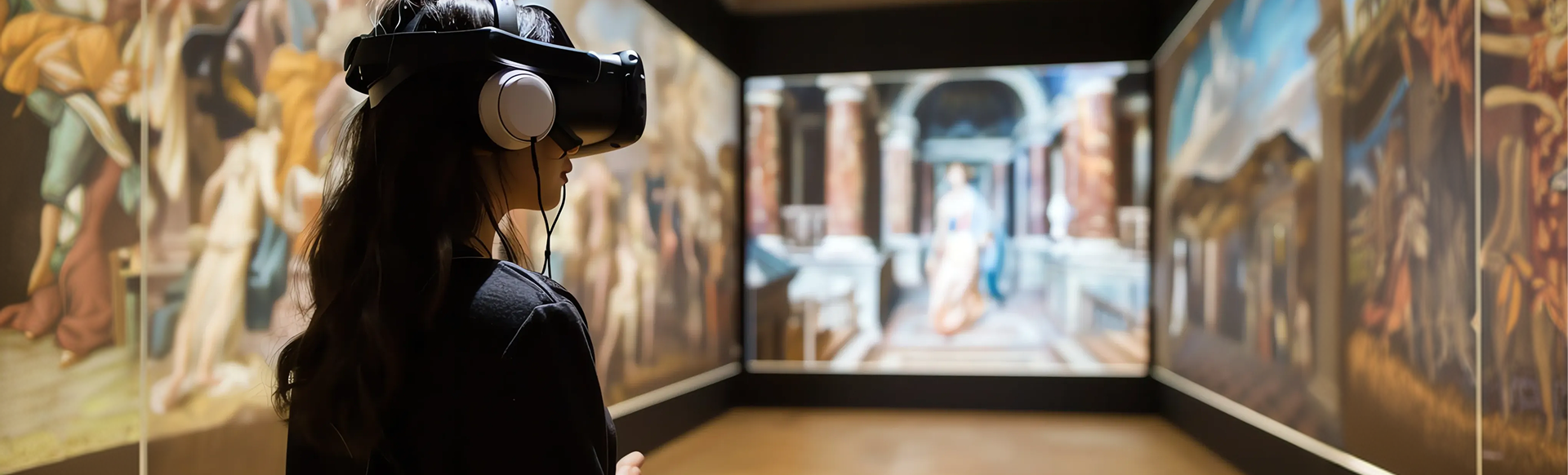
Immersive experiences also help because they pull people in. When the visuals, sound, and space work together, visitors don’t feel like they’re just looking at a display; they feel like they’re inside it. That makes time pass faster, especially in museums, exhibitions, and experiential marketing setups.
And finally, interactive installations bring people together. One person starts using it, others stop to watch, and then they take turns. That alone increases visitor dwell time, because the installation becomes a shared moment, not just a quick stop.
How people remember your brand after they interact
Getting someone to interact is a win. But the real win is when they walk out and still remember you.
Brand recall gets stronger when an experience feels real in the moment something they did, not something they simply saw. Interactive installations help because they use more than one sense. People look, listen, move, choose, and react. And when the experience gives them a small emotional hit, surprise, pride, a quick laugh, or a “wait, that’s cool,” it becomes easier to remember later.
The brand part matters too. In the best interactive brand experiences, the branding isn’t pasted on like a sticker. It shows up in the interaction itself. The questions people answer, the options they pick, the result they get, and even the story they move through everything quietly points back to what the brand stands for. So visitors don’t just remember “that fun thing I tried.” They remember who created it.
This is also why interactive installations often do better than traditional experiential marketing. Instead of telling visitors what to think, they let visitors discover it. And when people feel like they figured something out on their own, it sticks way longer than a slogan on a wall.
The role of audience engagement in experience design
Audience engagement isn’t about making something flashy. It’s about creating a dialogue between the visitor and the space. Interactive installations excel here because they listen as much as they speak. Every tap, movement, or choice becomes part of a two-way exchange.
When engagement is done right, visitors feel a sense of agency. They’re not being guided along a fixed path; they’re shaping their own experience within a thoughtfully designed framework. This feeling of control and involvement is deeply satisfying and often leads to repeat interactions within the same visit.
In experiential marketing environments, this kind of engagement also encourages sharing. Visitors are far more likely to talk about, photograph, or post an experience they actively participated in. That extends brand recall beyond the physical space and into social and digital conversations, multiplying the impact of the installation.
Why immersive beats passive, almost every time
Passive displays ask people to do a lot of work. They have to stop, focus, read, and care enough to keep going. Most visitors won’t. Not because they’re uninterested, but because they’re moving fast, they’re distracted, and the space is competing with their phone.
Immersive experiences work differently. They pull people in first, then deliver the message while the visitor is already engaged. It starts small, one touch, one step, one simple trigger and then the experience opens up layer by layer. That’s why interactive installations feel easier to enter. You don’t need a long explanation to begin. You just started.
This approach also works better for mixed audiences. Kids, adults, tourists, professionals, everyone doesn’t have the same patience or interest level. A layered experience lets different people go as deep as they want, without losing the ones who just need a quick, clear moment.
When you design for this, you stop thinking like “How much information can we show?” and start thinking like “How does the visitor move through this?” What do they notice first? What makes them take one more step? What makes them stay? Get that flow right, and visitor dwell time goes up naturally, and so does brand recall.
How to measure if it’s actually working
The good thing about interactive work is that it doesn’t have to be a guess. You can measure what people do.
For visitor dwell time, you can track how long people stay in the area, how long a session lasts, how many people start the interaction, and how many finish it. Even simple counts like repeat tries or completion rate tell you a lot about what’s holding attention and what’s losing it.
For brand recall, you can keep it simple too. A quick exit question works. So does checking what happens after: QR scans, saves, shares, website visits, branded searches, or people posting the experience online. These signals show whether the installation just looked good or if it actually stayed with them.
The main point is this: build with a purpose. If the goal is stronger audience engagement, longer stays, or more memorable interactive brand experiences, the installation should be designed around that from day one. That’s how experiential marketing stops being “cool tech” and starts becoming a real impact.
Why interactive installations are no longer optional
Visitor expectations have changed. People walk into a space and instantly compare it without thinking to the best apps, games, and digital experiences they use every day. So if the experience feels passive or “just for viewing,” most visitors move on fast.
That’s why interactive installations aren’t a fancy add-on anymore. They’re how you keep a space relevant. They give visitors something to do, not just something to look at. And when people can take part, touch, explore, and make choices, they stay longer. That’s how visitor dwell time improves in a real, noticeable way.
It also makes the brand easier to remember. When the interaction is tied to the brand story, visitors don’t just remember the screen or the activity. They remember who it belonged to. That’s the difference between a nice display and a strong interactive brand experience.
If you’re building for experiential marketing, museums, or public spaces, the goal is simple: don’t let people walk past your message. Make it something they step into. Because when people engage, they remember, and that’s where brand recall comes from.
Final Thoughts
At the end of the day, interactive installations work because they match how people behave in spaces today. Visitors don’t want to be spoken to; they want to take part. When an experience invites them in, gives them something to do, and responds in real time, they stay longer without feeling pushed, and they remember it without being told to.
This isn’t about adding technology for the sake of it. It’s about designing moments that feel worth someone’s time. Thoughtful interaction and a clear narrative result in visitors staying longer naturally, brand recall getting stronger, and the experience being memorable.