
What Is a Digital Twin? Meaning and Use Cases
If you’ve spent any time in the world of industry, you’ve probably heard the term “digital twin” tossed around like it’s some kind of magic trick. And honestly? It kind of is. But before we get into the flashier parts of it, let’s start simple and answer a basic question people keep asking in Industry 4.0: what is a digital twin?
What Is a Digital Twin
what is a Digital Twin A digital twin is a virtual replica of assets a machine, a vehicle, a building, or even an entire industrial ecosystem that stays continuously connected to the physical version through live data. In simple terms, it is a virtual replica of assets that exists in software but mirrors the real object. It isn’t just a static model. It updates as the real object changes, moves, or behaves, which is why it sits at the heart of modern digital twin technology.
Just think of holding a mirror up to a machine. Now consider that the mirror not only reflects the outside but also all the inside: temperature changes, vibrations, performance dips, energy usage, and even the first signs of failure. This is what a digital twin is. It offers you insight, comprehension, and prediction that are way beyond the capabilities of any conventional monitoring tool. So if someone asks what a digital twin is, you can say it is a continuously updating virtual replica of assets that turns real-time data into decisions.
However, digital twins have not just popped up. They have evolved from a single idea: if we can simulate something before doing it, then we can make better decisions. That simple thought is what eventually led to today’s advanced digital twin technology and the wide range of digital twin applications you see across industries.
Why Digital Twins Matter
Industrial operations decisions were mostly done based on inspections of the situation, experience of the past, and also sometimes on a gut feeling before there were digital twins. Frequently, the issues were found after a machine had slowed down, made strange noises, or triggered a warning light. Digital twins changed the entire approach.
With a digital twin, you can:
-
Detect the issue before it becomes a failure.
-
Track performance changes over time
-
Identify potential problems and repair them early
-
Enhance efficiency without shutting down the system
-
Make decisions supported by real-time data
It is this move from being reactive to predictive that is the essence of contemporary digital twin technology. Instead of a breakdown, you now get alerts the very moment something is starting to behave differently. Moreover, you can take action far before the problem becomes big or costly. This is where some of the most valuable digital twin applications show up in day-to-day operations.
How Digital Twin Technology Works
Digital twins might sound like something only big tech companies understand, but the idea behind them is actually very straightforward. Everything starts with a real physical asset, maybe a robot arm on a factory floor, a water pump in a plant, a jet engine, or even an entire building.
To understand how that asset is performing, you attach sensors to it. These sensors collect useful information like temperature, vibration, pressure, speed, humidity, or energy usage. Think of them as the eyes and ears of the system, constantly watching what’s happening.
As the asset runs, all this data gets sent to the cloud or an on-premise system in real time. Nothing is stored for later; it moves instantly, almost like a live conversation between the machine and the digital world. This real-time stream is what powers digital twin technology and keeps the virtual replica of assets in sync with reality.
Once the data arrives, the digital twin is created. This isn’t just a 3D model; it’s a constantly updating version of the real asset. If the real pump heats up, the twin shows it. If the engine vibrates unusually, the twin knows it. This is what is meant when experts talk about an Industry 4.0 digital twin that always reflects the live state of the asset.
After this, algorithms and AI models come into the picture to analyze the data. They search for patterns, detect anything unusual, and identify that which is barely distinguishable for a human, i.e., the early warning signs.
Operators get enlightened with such a wealth of data; thus, their decision-making becomes more efficient. They can prevent device failure, enhance the performance level, or change the process with greater assurance.
Ultimately, it is similar to a continuous cycle between the real asset and its virtual counterpart. The physical asset is used to update the twin, and the twin is helping you to recognize the real thing better. Also, the more data the twin is fed with, the more precise and useful it is. This loop is exactly why digital twin technology is considered a core building block of Industry 4.0 digital twin strategies.
Where Digital Twins Are Used Today
Digital twins aren’t stuck in one corner of the tech world. They’ve quietly slipped into almost every industry you can think of, and the impact is real. Once you start noticing where they show up, you’ll wonder how we ever managed without them. Here’s a tour of the places where digital twins are doing some of their best work and where digital twin applications are already mature.
-
Manufacturing and Industrial Plants
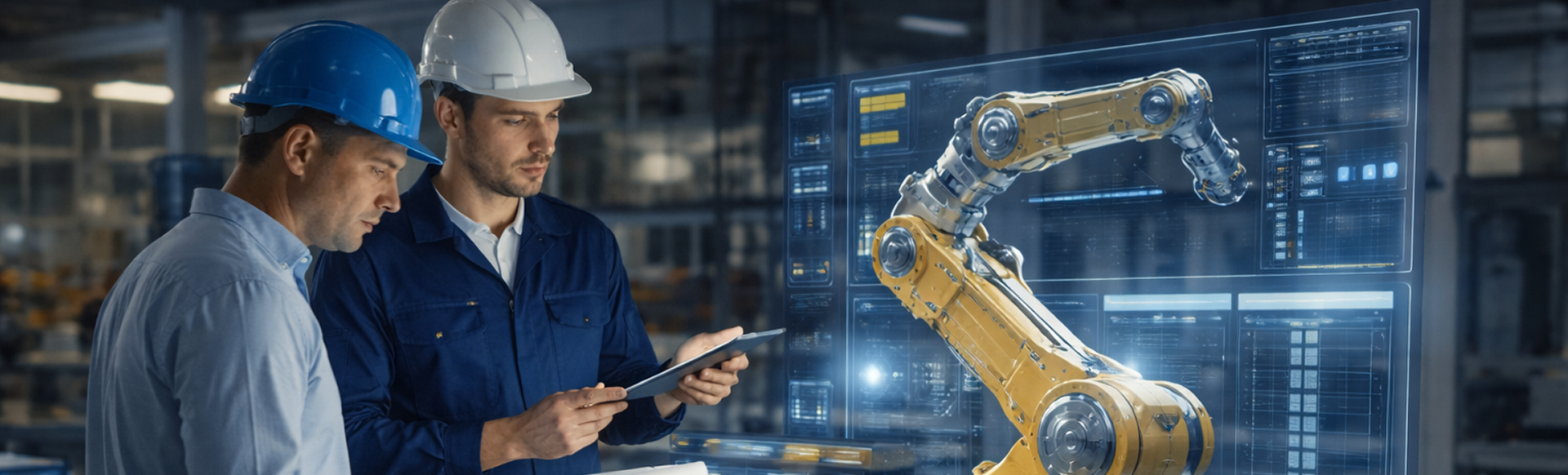
Manufacturing is where digital twins really feel at home. Picture a factory filled with machines that never stop moving. Instead of waiting for something to break, companies use digital twins to keep an eye on everything in real time. They watch performance, spot tiny issues before they become big problems, and tweak processes without shutting anything down.
Factories use digital twins to monitor CNC machines, predict equipment failures, or test out new production line layouts without physically moving a single thing. Honestly, if there’s one place that shows the full power of an Industry 4.0 digital twin, it’s here, with digital twin technology connecting machines, data, and people into one smart workflow.
-
Buildings and Facility Management
Smart buildings might look simple on the outside, but behind the scenes, everything runs on data. Digital twins help facility teams understand how a building “feels” throughout the day. They track energy use, HVAC performance, air quality, and occupancy patterns all in real time.
You can literally see if the AC is being overworked in one zone or if a piece of equipment is getting tired. It makes maintenance easier, and it keeps buildings running smoothly without waste. These building-level digital twin applications turn facilities into efficient, responsive environments.
-
Automotive and Aerospace
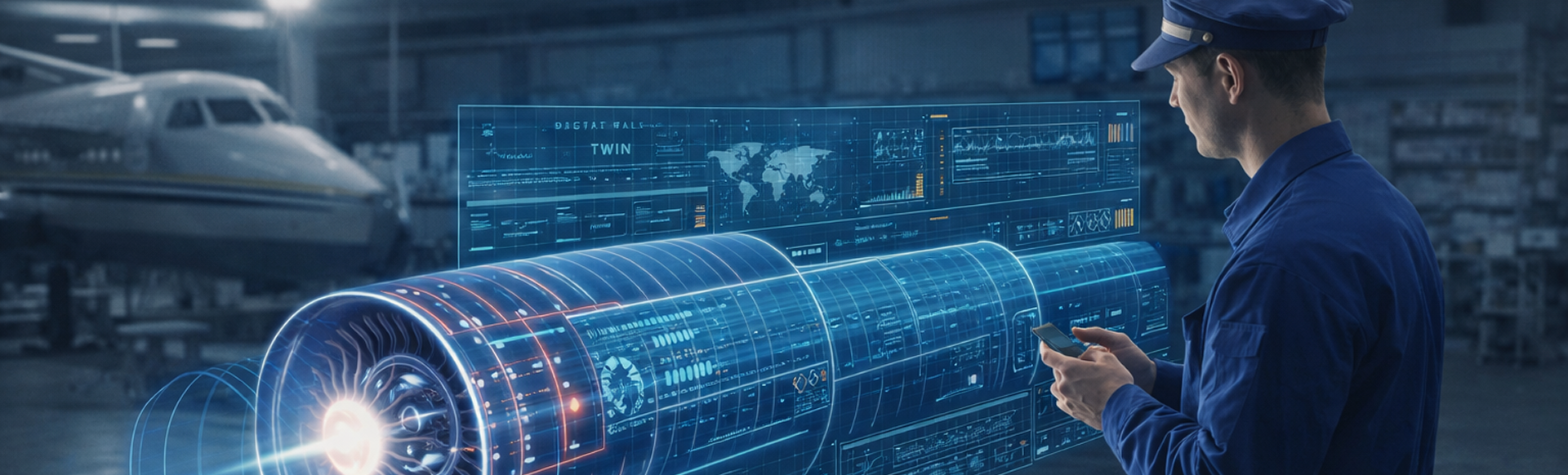
These industries don’t have room for mistakes, which is why digital twins fit perfectly here. Automakers and aerospace companies build twins of engines, batteries, and sometimes entire vehicles. Then they push those digital versions through all kinds of simulations: heat, pressure, speed, stress, and things you wouldn’t want to test on the actual machine.
This lets teams understand performance, improve safety, and speed up development. From battery simulations to aircraft stress testing, digital twins help engineers explore “what if” scenarios with zero risk. This is a clear example of digital twin technology being used as a high-stakes design and testing tool.
-
Energy and Utilities
Energy systems are huge and are operating non-stop; therefore, keeping an eye on them is very important. With the help of digital twins, companies can keep an eye on turbines, power grids, pipelines, and renewable energy systems from afar.
They are also employed by utilities to monitor the health of turbines, predict energy consumption, and detect the occurrence of leaks in oil and gas pipelines at very early stages. In situations where a single hour of downtime can result in a great loss, the presence of a digital twin that is constantly monitoring every detail is revolutionary. These are high-impact digital twin applications that directly affect reliability and cost.
-
Healthcare
Healthcare is slowly stepping into the world of digital twins too. Some hospitals use them to manage medical equipment and streamline patient flow. It sounds simple, but even small improvements can save time and reduce stress for both staff and patients.
There’s also exciting research happening with organ-level digital twins. Imagine doctors being able to test a treatment on your digital model before applying it to you. It’s early, but it shows just how far this technology can go, and how digital twin technology could one day support personalized medicine.
-
Smart Cities
Smart cities are where digital twins go big. Instead of modeling one machine or one building, cities use twins to understand traffic, energy consumption, water networks, and public services all at once.
A digital twin can show how traffic shifts during rush hour, when lighting needs to change, or how to route emergency vehicles faster. It’s like giving the entire city a live dashboard so planners can actually see what’s happening and make better decisions. At this scale, an Industry 4.0 digital twin becomes an urban control and planning system.
Digital twins may sound like high-tech magic from the outside, but when you look at where they’re being used, the idea becomes incredibly practical. From factory floors to hospitals, and from buildings to full cities, digital twins are quietly helping everything run smoother, smarter, and with a lot more clarity.
How Digital Twins Help You Stay One Step Ahead
One of the most powerful things about digital twins is that they don’t just tell you what already happened. They tell you what’s coming next. That shift alone changes everything.
Think about it this way: instead of waiting for a pump to suddenly fail, you already know it’s going to cause trouble in a couple of weeks because the digital twin noticed its vibration pattern changing. Or imagine knowing ahead of time that a certain section of the factory is about to get overloaded before the slowdown even begins. That kind of foresight cuts downtime, saves money, and keeps operations running smoothly.
This is why industries that can’t afford delays in manufacturing, energy, or aviation treat predictive digital twins as essential tools, not optional add-ons. Many of the most valuable digital twin applications are exactly in this predictive and preventive space.
Digital Twins Give You Options
One thing people often overlook is how much freedom a digital twin gives you. It’s not just about monitoring things; it’s about being able to test, tweak, and explore without breaking anything in the real world.
Imagine wanting to change the layout of a production line. Normally, that means planning, shutting things down, moving equipment around, and crossing your fingers that it actually works. With a digital twin, you can try five different layouts in minutes, see what plays out, and only commit when you’re confident.
It lets you experiment safely.
It lets you ask “what if?” without consequences.
And it lets you make decisions that feel informed instead of risky.
Digital twins basically give you a safe sandbox to play in, and that freedom leads to smarter, faster, and far more confident decision-making. This is digital twin technology moving from simple monitoring to true decision support.
Common Misunderstandings About Digital Twins
Digital twins are incredibly powerful, but there are still a few ideas floating around that make people hesitate. So let’s clear up the biggest ones.
-
A digital twin is just a 3D model.
Not really, a 3D model just sits there. A digital twin is alive; it updates in real time because it’s constantly connected to the actual asset. That’s the whole difference. In other words, it is a virtual replica of assets that is always in sync with reality. -
It’s only for big companies.
This used to be true years ago, but not anymore. Today, even small and mid-sized factories use digital twins to monitor machines, reduce downtime, and stay competitive. As cloud platforms grow, Industry 4.0 digital twin tools are becoming accessible to more businesses. -
It replaces human expertise.
It doesn’t replace anyone. It supports people. It gives experts clearer data so they can make better decisions without guesswork. -
It’s too complicated to set up.
That might have been the case in the early days, but modern platforms make the setup surprisingly straightforward. Plug-and-play sensors, cloud tools, and ready-made dashboards have made things much easier, especially for focused digital twin applications.
The Future of Digital Twins
The interesting thing about digital twins is that we’re still only scratching the surface. What feels impressive today will look basic in a few years. The technology is evolving fast, and it’s opening doors we couldn’t even imagine a decade ago.
We’re moving toward a future where every major asset a machine, a building, a fleet, even an entire city has its own digital version running quietly in the background. And these twins won’t just mirror the real world; they’ll start guiding it.
We’ll see full-lifecycle twins that follow an asset from design to construction to daily operations and all the way through maintenance and upgrades. Imagine being able to test every change, every scenario, and every risk without ever touching the real system. That is the long-term vision behind many Industry 4.0 digital twin roadmaps.
In healthcare, digital twins will get personal. Researchers are already experimenting with organ-level models. One day, your digital twin might help doctors plan treatments tailored specifically for you.
Cities will go further too. City-scale twins will simulate traffic, energy grids, water systems, climate impact, and emergency response all at once. It’s basically a control room for the entire city, but smarter and always learning.
And with AI stepping into the picture, digital twins will stop being just “informers” and start becoming “advisors.” They’ll suggest changes, optimize processes on their own, and sometimes fix small issues before you even notice them. Add AR and VR into the mix, and you’ll be walking through your digital twin like you’re physically there. The line between the physical and digital world will blur even more. Eventually, creating a physical asset without a digital twin will feel as unusual as building a skyscraper without a structural plan.
The future of digital twins isn’t just about better data. It’s about better decisions, fewer surprises, and a whole new level of operational intelligence. And we’re heading there faster than most people realize. For anyone still wondering what a digital twin is in the bigger picture, the answer is simple: it is becoming the default way we design, operate, and improve complex systems.
Final Thoughts
Digital twins have grown from a simple concept into one of the most important tools in modern industry. They give you a clear view of what is happening right now, help you predict what might happen next, and allow you to test ideas safely before applying them in the real world. If you are handling machines, buildings, vehicles, or the whole operation, digital twins provide you with the understanding and the assurance that you need to come up with better decisions.
They’re not just the future; they’re already here, reshaping how industries think, operate, and grow. From simple digital twin applications that focus on a single machine to large-scale Industry 4.0 digital twin ecosystems that span entire plants and cities, this virtual replica of assets approach is changing the way we work in a very real way.