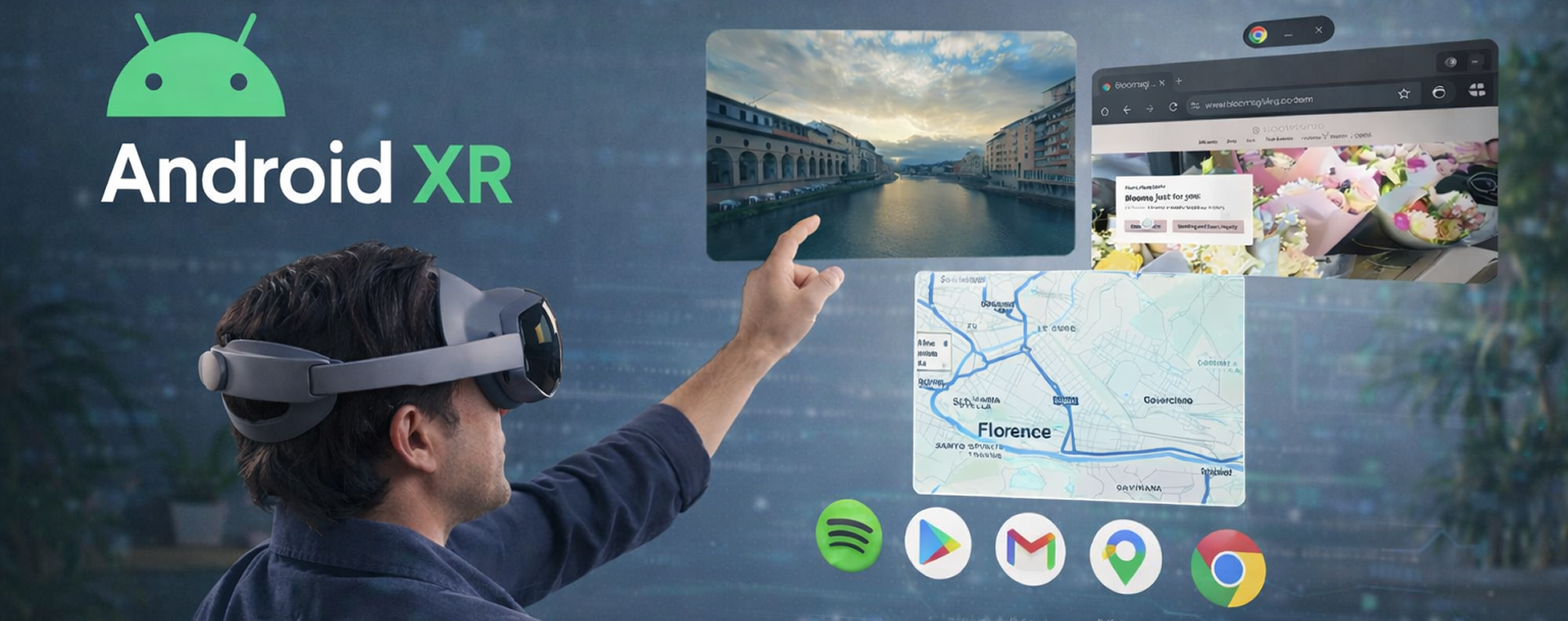
Android XR: Powering the Future of AR and VR
The way we use digital information is changing quickly. We are moving beyond flat screens and into a world where apps and content sit inside the space around us. You now have devices that place information in your room, respond to your movements, and let you interact with everything in three dimensions. This shift creates the need for an operating system built specifically for spatial experiences.
Android XR is Google’s step in that direction. It is a unified XR operating system designed to power both augmented reality and virtual reality devices. It also supports the larger extended reality ecosystem that companies are trying to build for the future.
What Is Android XR
Android XR is Google’s new operating system designed specifically for XR devices. These devices include augmented reality glasses, virtual reality headsets, and mixed reality systems. It is built to handle spatial inputs such as hand tracking, eye tracking, voice commands, and environmental understanding. It also supports both AR and VR experiences inside one unified OS.
This matters because current XR devices run on custom systems. There are those who opt for a heavily modified version of the Android build. Meanwhile, some have developed their own XR operating system. The outcome of this is fragmentation, limited availability of apps, and users receiving different experiences. Android XR figures this out by offering producers a reliable and expandable OS ready for their quick adaptation. Essentially, it is the same advantage Android offered to smartphones. A single platform capable of supporting multiple brands and devices.
Why Android XR Matters Today
The XR industry is entering a new phase. Companies are building devices for work, entertainment, learning, training, and remote collaboration. For these products to succeed, you need a strong foundation. Android XR helps solve three major problems.
-
It creates a unified XR operating system: developers can build apps once and deploy them across many devices. This saves time and reduces cost. It encourages more companies to create XR apps because the potential user base becomes larger.
-
It pushes the extended reality ecosystem forward: when there is a standard OS, more hardware partners feel confident investing in new XR devices. This leads to a wider market for consumers and better choices.
-
It supports AI-powered spatial computing: Android XR is built at a time when AI is becoming a core part of how we interact with technology. You can expect real-time object recognition, smarter overlays, and better hands-free control. These three elements make Android XR an important player in future XR platform development.
How Android XR Works on a Technical Level
Android XR combines Google’s spatial interface guidelines with real-time environment mapping. To ensure low latency, it utilizes sensors, cameras, and advanced XR chips. The main components that show how it operates are here.
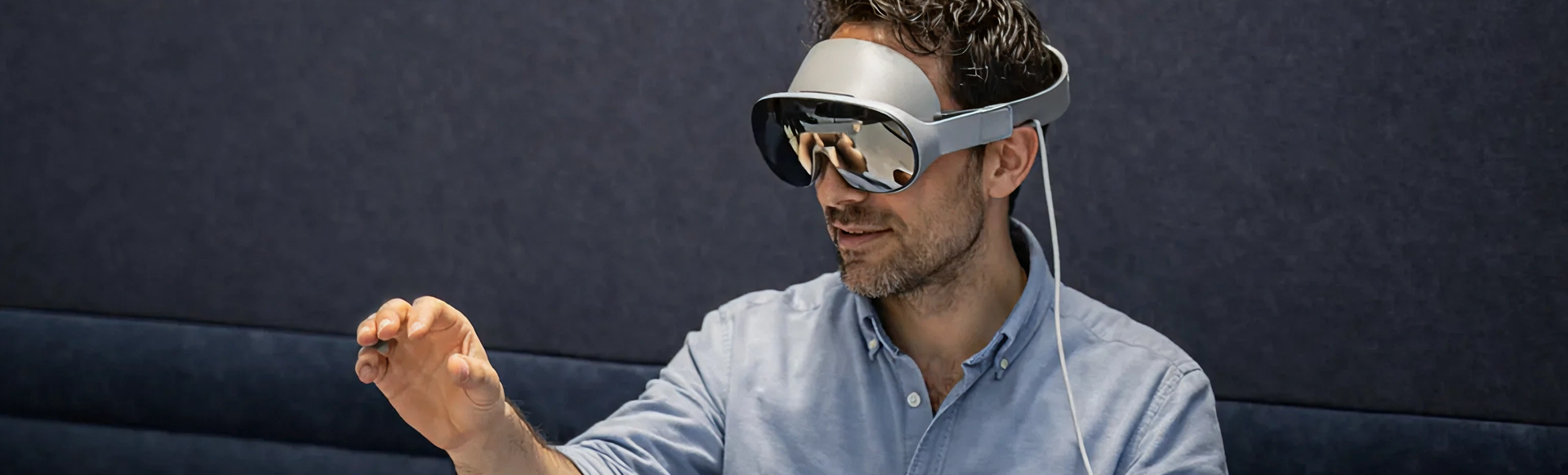
Spatial interface: With Android XR, one can use not only their eyes but also their hands and voice for the device control. There is no need to depend on screens or controllers. Interaction is done via looking, pointing, or speaking, which is more natural when you are inside a 3D environment.
AR and VR support: A single system is used for both augmented and virtual reality. As a result, manufacturers do not have to create separate platforms for different kinds of devices. One OS can be the master of everything from transparent AR glasses to closed VR headsets.
Performance optimization: The OS is designed to provide smooth motion and quick response. It allows for high refresh rates, fades out the blur, and can almost instantly detect your movements. This not only lifts a heavy comfort burden but also allows for long XR sessions to be done without problems.
Integration with Google services without any seams: Applications like Maps, YouTube, and Workspace open in spatial forms that suit the surroundings. You are able to watch material, get directions, or work in a manner that is both new and still somewhat recognizable. Hardware support that is adaptable: Android XR is compatible with a wide range of devices. Building of the fashionable pair of glasses, or a powerful headset, or anything in the middle is up to the company. The OS is different because it is able to adapt to various designs without performance or features being compromised.
By combining these features, Android XR is not only equipped with a solid base, but also it is the next big thing in the extended reality ecosystem that will be able to sustain itself for many years to come.
The Role of Android XR in Device Innovation
Android XR will open the door for more companies to enter the XR market. It reduces the technical load of building new hardware, just like Android did during the rise of smartphones. With a ready XR operating system available, brands can focus on design and features instead of building an OS from scratch. This shift is likely to speed up the entire industry. You will see innovation across many areas ;
Workplace productivity
Mixed reality headsets can act as virtual monitors, giving you multiple screens and a full workspace without any physical setup.
Education and training
Schools and training centers can use XR for simulations, lab lessons, and hands-on practice. It becomes easier to teach complex topics through interactive experiences.
Healthcare
doctors can view scans, medical data, and 3D models with better clarity. XR can support remote surgeries and help specialists collaborate more easily.
Entertainment and media
Movies, live events, gaming, and immersive storytelling will grow faster because developers can build once and reach more devices.
Industrial operations
Factories, warehouses, and construction sites can use XR for guided workflows, inspections, and real-time remote support.
All of this is possible when there is a stable XR operating system that works well across different devices. Android XR fills that gap.
How Android XR Supports Developers
Developers often face challenges when creating XR apps. Each headset has its own SDK, controls, and platform rules. This leads to long development cycles and higher costs. Android XR simplifies this by giving developers a common environment.
Here is what developers get.
One development pipeline: They can build an app once and run it on different XR devices. This makes testing and updates much easier.
Better tools: Developers can continue using the Android tools they already know. They also get access to new APIs built specifically for XR.
Google Play integration: Apps can be published directly to the Play Store, making distribution simple and giving access to a global audience.
AI integration: Developers can use built-in AI features such as gesture detection, scene understanding, and smarter interactions.
Reliable documentation: Google provides guidelines, examples, and best practices that help developers design effective spatial experiences.
Together, these advantages lower the barrier to entry and support the growth of the extended reality ecosystem. Developers can move faster, build better apps, and reach more users without reinventing the wheel.
What Android XR Means for Users
Android XR is not only useful for developers. It brings direct benefits to users and makes XR devices easier to use in everyday life.
More device choices: You will see more brands entering the XR market at different price points. This gives you more options and makes the technology accessible to more people.
A familiar and consistent experience: No matter which XR device you choose, the interface will feel similar. You do not have to relearn the system every time you switch devices.
Better apps and more variety: Since developers can build one app for multiple devices, you will see more applications arriving faster. This leads to better entertainment, productivity, and learning tools.
Comfort-focused performance: Android XR is tuned for smooth motion, low latency, and clear visuals. This reduces dizziness and makes long XR sessions more comfortable.
Higher productivity: You can open multiple windows, join meetings, explore 3D content, and manage tasks in a more natural way. Your workspace becomes flexible and always available.
Improved safety and privacy: Google is expected to add stronger permission controls and more on-device processing. Sensitive data stays protected while you use spatial apps. Overall, Android XR creates a cleaner, more reliable, and more practical XR experience for users.
The Future of Android XR and Spatial Computing
Spatial computing is becoming a part of everyday life. People want devices that fit naturally into their routines, and Android XR is built to support that shift. It is designed to grow with new hardware and make these experiences feel seamless.
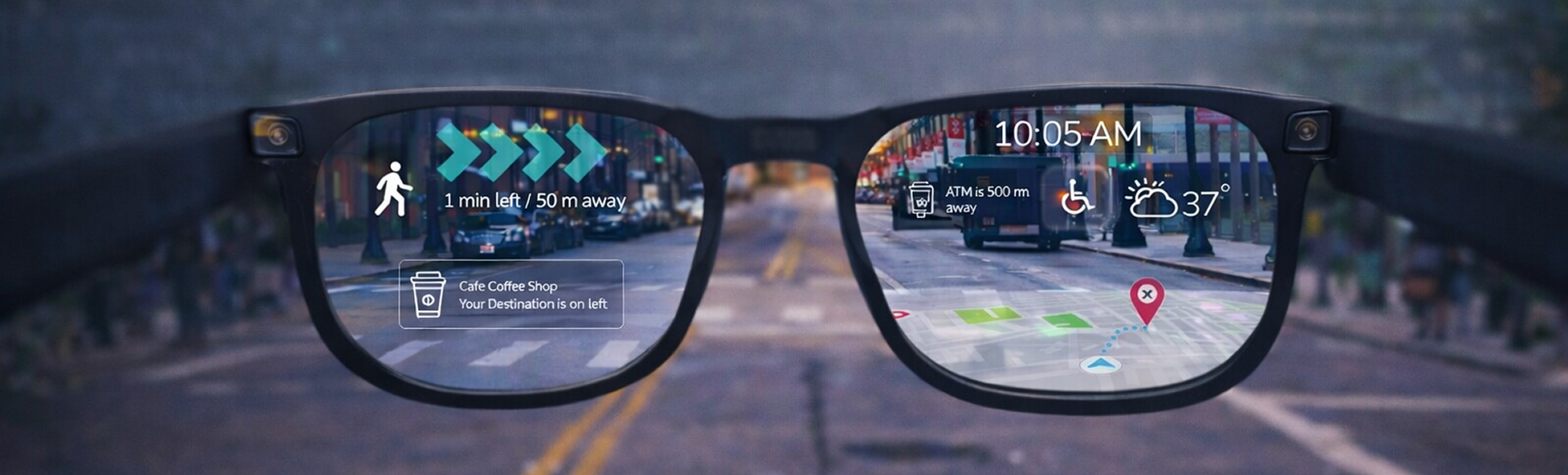
In the next few years, you can expect lightweight AR glasses that let you check messages, watch videos, and follow navigation without picking up your phone. Mixed reality headsets may become a daily work tool, giving you floating virtual screens that you can arrange anywhere you sit. AI will play a bigger role by recognizing your surroundings, understanding what you are trying to do, and guiding you through tasks in real time.
You will also see the web evolve into 3D spaces. Instead of scrolling pages, you will walk around information and interact with it more naturally. Your phone, watch, and XR headset might work as one connected system, letting you switch between devices without losing your place.
All of these possibilities depend on a reliable XR platform that supports many brands and device types. Android XR provides that foundation. It gives developers the tools they need and helps manufacturers create better hardware. As the extended reality ecosystem grows, Android XR will shape how people work, learn, and interact in a spatial world.
Final Thought
Android XR is more than another XR operating system. It is a major step toward building a unified, scalable, and user-friendly extended reality ecosystem. It addresses the core challenges of fragmentation, limited developer support, and inconsistent user experiences. It gives hardware makers a strong base to innovate and gives developers an easier path to build high-quality XR apps. Most importantly, it prepares users for a future where digital content blends with the physical world in simple and intuitive ways.
As the XR industry grows over the next decade, Android XR will play a central role in shaping how people work, learn, communicate, and consume content in augmented and virtual reality. It brings structure to a fast-growing field and sets the stage for the next wave of spatial computing.